 EN
EN LT
LT DE
DE PL
PL DA
DA SV
SV NB
NB FI
FI IS
IS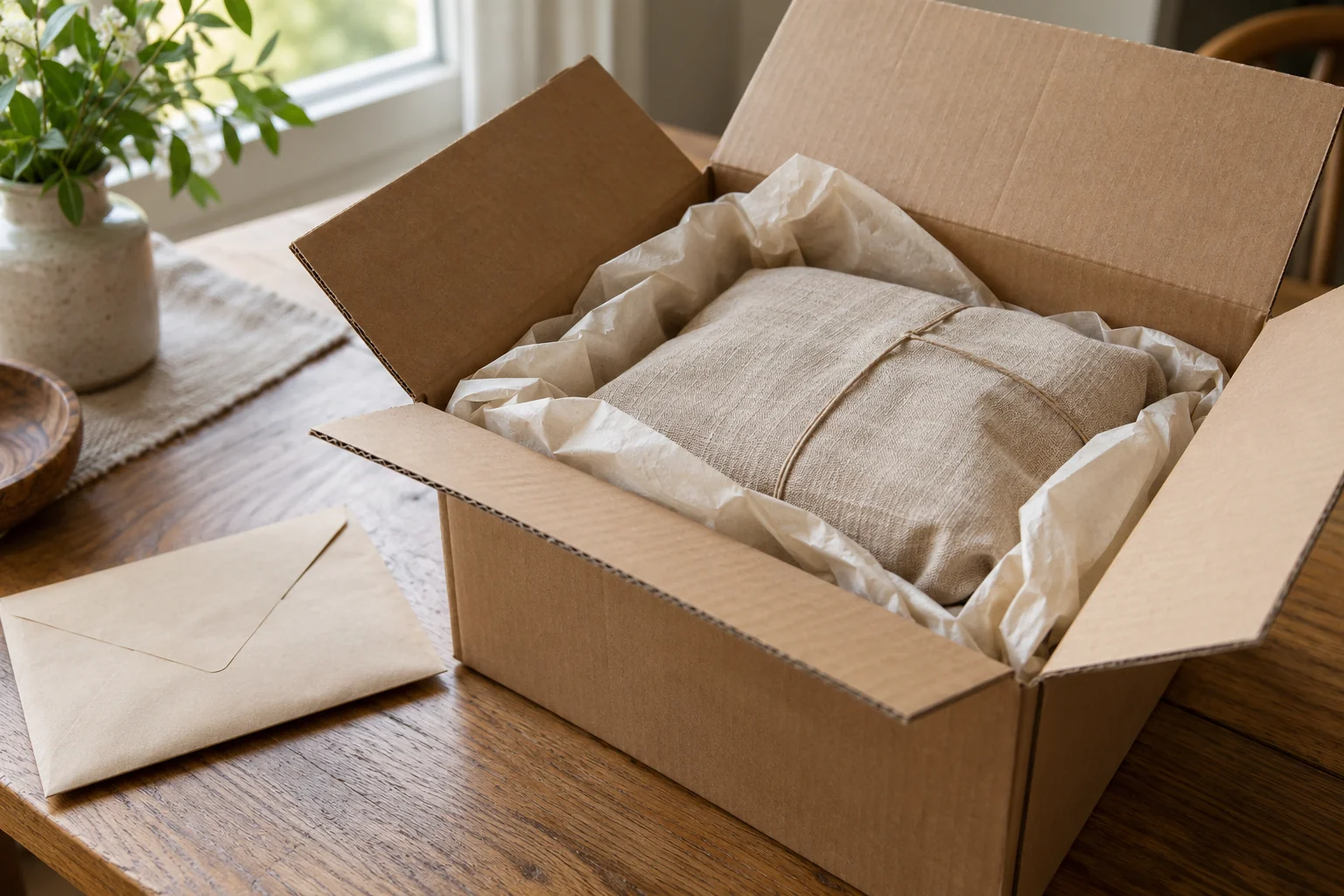
Delivering an empty urn and shipping an urn containing ashes are different arrangements. The contents may change carrier acceptance, documentation and packaging requirements. Before preparing the parcel, obtain confirmation that the chosen service accepts cremated remains on the complete intended route. A standard online parcel booking is not, by itself, confirmation that the contents are permitted.
Specify the route and the contents
Record the departure and destination countries and identify whether the remains are human or animal. Give the carrier an accurate description. Describing ashes simply as a souvenir or decorative vessel prevents the company from assessing the actual shipment and may leave you relying on a service whose terms have not been checked.
Ask about the particular service rather than whether the company generally delivers to the country. International delivery availability does not establish acceptance of cremated remains. Keep the written response with the shipping records, and check the current conditions again before dispatch if arrangements were made well in advance.
Resolve documents before booking
Confirm documentation with the carrier and relevant destination authorities. Ask what information must accompany the shipment and whether a translation is needed. Do not automatically place original certificates inside the parcel. First establish whether copies are sufficient and how their acceptability should be confirmed for the chosen route.
Name the recipient and agree a reliable contact number and delivery arrangement. If a funeral provider or other business will receive the parcel, obtain its agreement in advance. An address alone is insufficient when the staff do not expect the delivery or are not authorised to receive those contents.
Containment and impact protection are separate
The inner container must retain the contents; the outer packaging must protect the shipment during handling. A decorative lid is not necessarily a suitable shipping closure. Ask the cremation provider to help identify an appropriate inner container, then check it against the carrier’s requirements rather than applying ordinary gift-wrapping assumptions.
Protect the vessel without loading the lid or fragile parts of the body. It should not move freely inside the box, but padding should not distort the product. Photograph the arrangement before sealing the parcel. Keep your document copies and the packaging record separately so they remain available if the shipment is delayed.
Use instructions for the actual carrier
USPS provides cremated-remains shipping instructions for its Priority Mail Express services. Its outer packaging instructions specify a dedicated box. These are requirements of a US carrier, not universal instructions for Lithuanian couriers or every international route. Confirm the applicable service before selecting packaging.
If several carriers are involved, ask who is responsible for the entire transfer chain. Acceptance by the first company does not explain how the final delivery operator will handle the parcel. Obtain confirmation covering the complete route, particularly where an international postal service hands the shipment to another organisation.
Plan receipt as carefully as dispatch
Choose a delivery period when the recipient can monitor progress and receive the parcel. Agree what to do if it is delayed or arrives with visible packaging damage. Record the condition of the unopened box, follow the carrier’s reporting process and retain the packaging if a problem needs to be investigated.
Where the first delivery contains an empty urn only, state that clearly in the order. Choosing the vessel and transferring the ashes later can be separate steps. This allows capacity and construction to be checked before filling, without rushing into an unsuitable shipping service because a ceremony date is approaching.