 EN
EN LT
LT DE
DE PL
PL DA
DA SV
SV NB
NB FI
FI IS
IS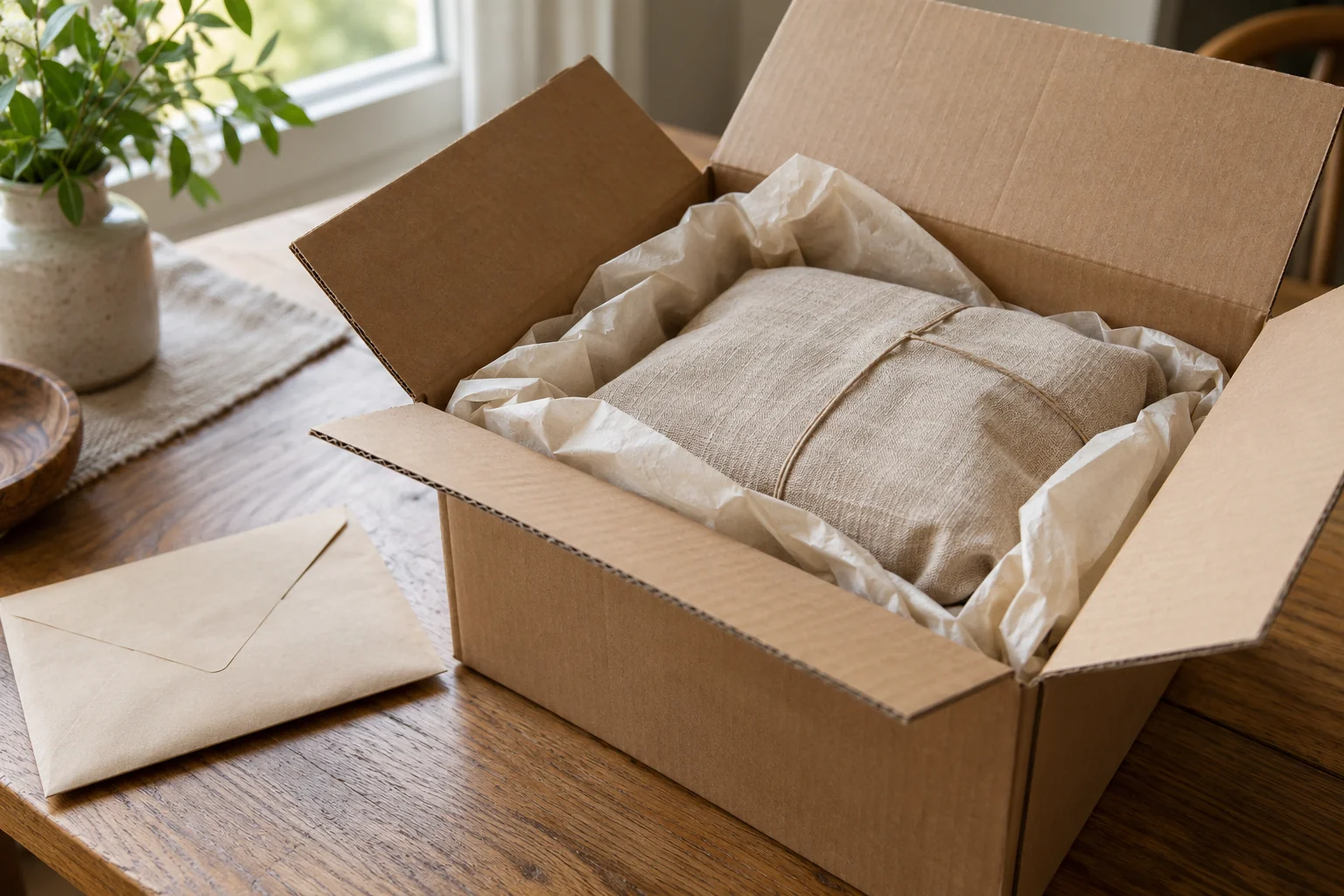
An urn deserves a place on the moving plan alongside documents and personal keepsakes. Decide who will pack it, who will carry it and where it will go on arrival. These small decisions prevent it from disappearing into a general box that stays unopened for weeks. They also give everyone helping with the move clear instructions.
Inspect the urn before packing
Look at the body, base and closure. A crack, loose fitting or unstable lid changes how the object should be handled. Simply pushing the lid down harder is not a solution. Some lids rest in place, some screw into the body and others are permanently sealed. The packing method should accommodate the actual closure rather than assume that every urn behaves the same way.
If the ashes are already held in a sealed inner container, there is usually no practical reason to open it for a house move. The outer vessel and inner package perform different jobs. The vessel provides the visible form and some mechanical protection; the inner package keeps the contents together. Ask the provider that returned the ashes if you are uncertain about how the package is secured.
Build protection around the surface
Start with a clean, soft layer that will not scratch or transfer colour to the finish. Apply packing tape to the wrapping, never directly to the urn. Painted, textured and metallic surfaces can react differently to adhesives. A packing material that works for a glazed household bowl may damage a more delicate coating.
Add cushioning beneath the base, around the sides and above the closure. Use a rigid box that leaves room for protection but does not let the urn move freely. Avoid pressing the cushioning so tightly that force is concentrated on the lid or a narrow section of the body. A larger or fragile vessel may need an outer box with a second cushioning layer between the two boxes.
Mark the box so that anyone moving it understands its upright orientation and knows not to stack heavy items on top. If privacy matters, a neutral label such as “Fragile” is sufficient on the outside. Keep an identification note and any useful document copies in a separate envelope inside the package. Before closing the box, photograph the wrapping so it can be reconstructed later.
Choose how it will travel
Carry the urn with support under the base and around the body. A lid, decorative handle or projecting detail may not be designed to support its weight. In a car, secure the box on a level surface so it cannot slide during braking. An apparently convenient seat may offer less stability than a flat area where the package can be restrained properly.
Avoid leaving the urn for a prolonged period in a hot, damp or unattended vehicle. If a removal company will carry it, explain the item in advance and confirm acceptance and responsibility arrangements. Courier delivery is a separate decision: carriers may have specific restrictions on cremated remains, irrespective of how well the vessel is packed.
Unpack into a prepared space
Choose a temporary safe location before opening the box. Shelves may not yet be fixed, furniture may still be moving and work surfaces may be covered with tools. Keeping the urn in a secure place for a few days is preferable to placing it immediately on an unfinished shelf. Open the package on a clear table where the vessel can be supported throughout.
Check the surface and closure against photographs taken before the move. When selecting its lasting position, consider sunlight, heaters, the strength of the supporting furniture and how people move through the room. The aim is a stable, accessible location that fits daily use of the new home. Retain reusable cushioning if another move is likely; record how the urn was packed so the next journey is easier to plan.