 EN
EN LT
LT DE
DE PL
PL DA
DA SV
SV NB
NB FI
FI IS
IS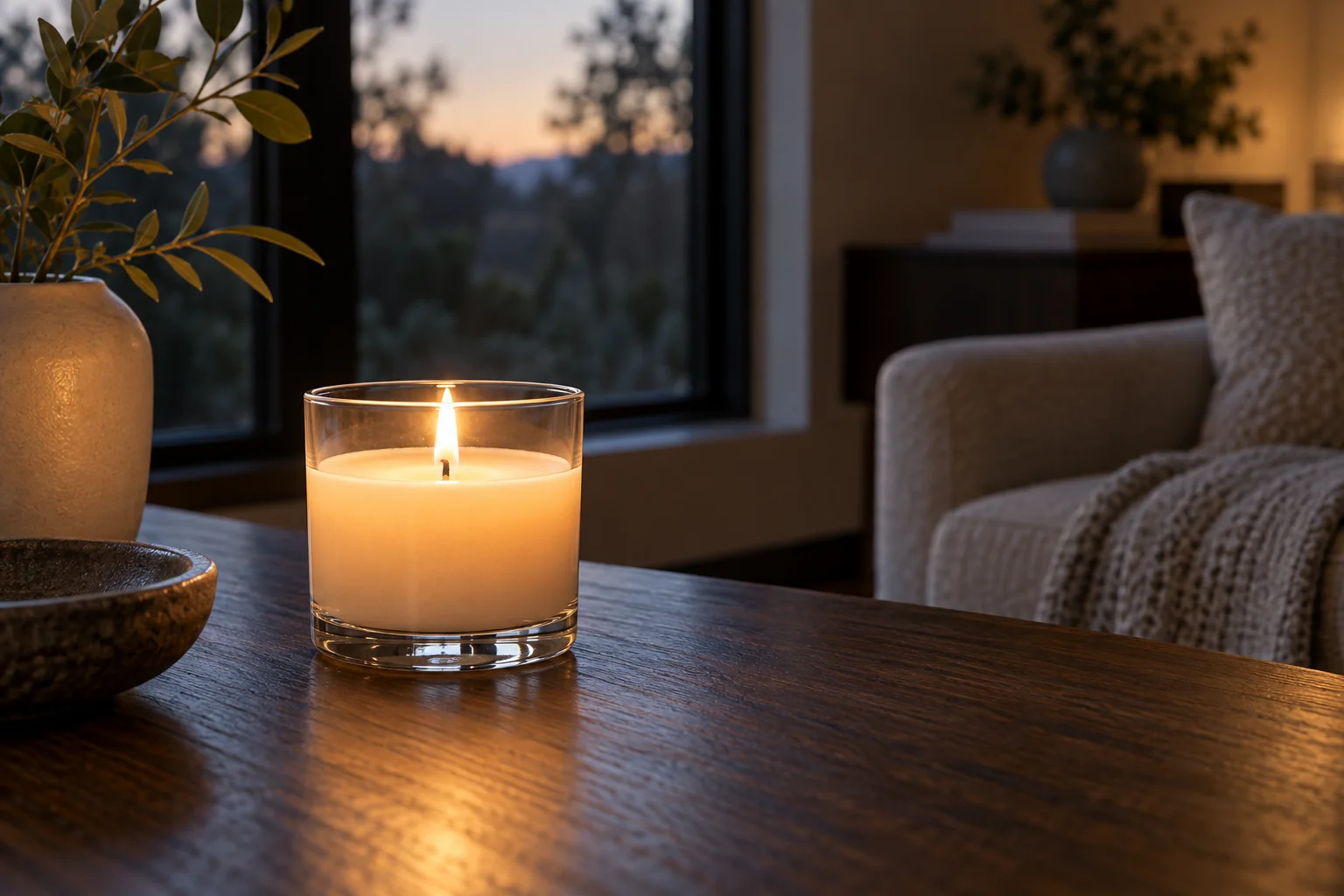
A remembrance day may involve a family visit, a walk or time spent looking through photographs. It does not require a particular scale, fixed programme or elaborate collection of objects. If other people are invited, a clear agreement about timing and format helps avoid different expectations and last-minute tasks that nobody realised they were responsible for.
Choose a workable date
The exact anniversary may not suit everyone. A nearby date can be appropriate if the family prefers it. Explain whether the invitation is for a short visit, a meal, photographs or another format. Guests should not have to guess what to bring, what will happen or how long they are expected to stay.
Leave room for someone to decline or join briefly. People may want to spend the same date differently. An invitation should not become a test of whose remembrance matters most. If someone lives far away, a separate conversation may work better than attempting to broadcast every part of the gathering continuously.
Prepare a small image selection
A manageable group of photographs is more useful than opening an entire phone gallery. Add short notes about places or events where that information will help others. Use original files for prints when possible. Viewing photographs need not become a comparison of who has more images or the most impressive story to accompany them.
Consider the preferences of people shown in private photographs before displaying them. If participants want copies, decide how they will be shared after the meeting. A selected folder is simpler than access to a whole personal archive. Shared memories do not need to become publicly available social-media material unless the people involved want that.
Keep the setting practical
If the gathering takes place where an urn is kept, the vessel need not move to the centre of the table. Its usual stable position may be preferable to a new arrangement among food, glasses and flowers. If it will be moved, prepare the receiving surface and agree who will carry it and return it afterwards.
Photographs, floral arrangements and candles should not obstruct movement or ordinary use of the table. Use candles according to their instructions and keep heat away from sensitive finishes. If the aim is a lighting accent rather than a flame, consider an appropriate alternative and check its actual use conditions. Decorative intent does not remove the need for a stable arrangement.
Plan a straightforward finish
Agree who will collect photographs and personal objects brought from other homes. A short list prevents items from being left in a shared room. Return originals to their custodians when exchanging copies. There is no need to use the meeting to make immediate decisions about transferring an entire archive or dividing personal belongings.
The format can change in another year. A gathering that works once need not become a permanent obligation. Keep only information that will help future arrangements: contacts, the location of selected images and a venue that proved practical. The decision about meeting again can be made later rather than built into the conclusion of this one.
Prepare images with the photo archive guide. If a short programme is wanted, the secular gathering article offers a clear approach to speakers, music and responsibility.