 EN
EN LT
LT DE
DE PL
PL DA
DA SV
SV NB
NB FI
FI IS
IS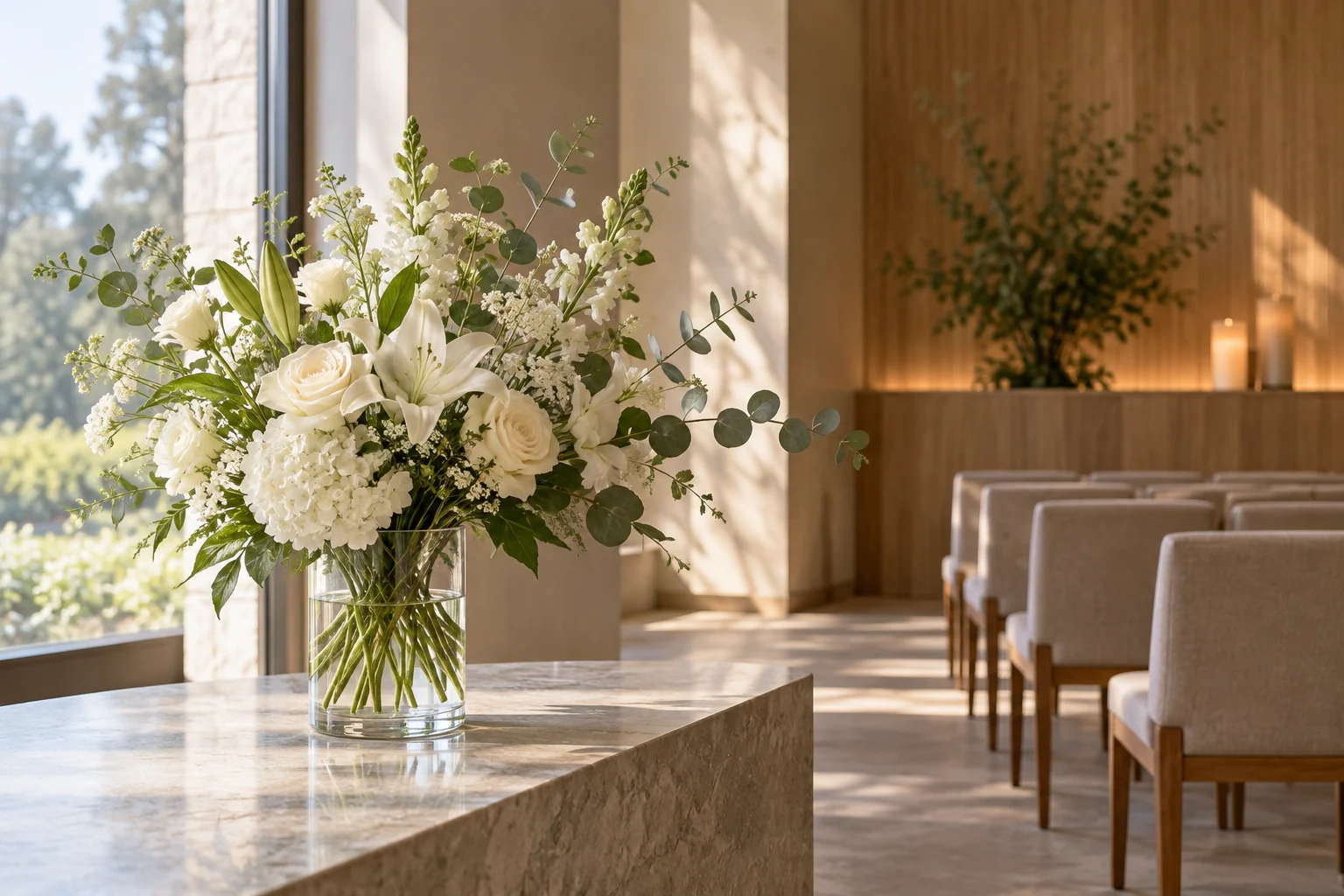
A secular farewell does not need the complexity of a large event. A clear sequence, suitable space and agreed responsibilities matter more. It may be a short gathering for a few relatives or a meeting for a larger group. Its content should follow the family’s choices, rather than a perceived need to fill every minute with speeches or additional symbols.
Define the setting and duration
Start with the venue, approximate attendance and intended length. Check access for older guests, available seating and whether someone can step aside into a quieter area. If hiring a room, confirm its conditions, equipment and the time allowed for preparation and clearing away. These practical details should be settled before the programme is circulated.
Choose one person to coordinate the sequence. They need not deliver the principal speech, but they should know when music begins, who speaks and how the meeting concludes. Several people trying to direct the same moment can make a straightforward gathering confusing. A short written running order gives the coordinator a reliable reference.
Keep the programme manageable
The sequence might include an opening, one or more contributions, music and a quiet pause. Agree on the approximate length of each contribution. Reading a prepared text is entirely appropriate; nobody needs to improvise. Allow for a speaker changing their mind and identify someone who can read their words or simply move to the next part.
Prepare the music and test the equipment in the room beforehand. Phone notifications, unexpected advertising and unreliable internet connections can interrupt playback. Where permissions and service conditions allow, arrange a dependable playback method in advance. Put one person in charge of it rather than asking a speaker to manage the sound while also preparing their contribution.
Arrange the urn and accompanying objects
Place the urn on a stable surface outside the main movement route. A photograph or flowers should not have to be moved before the vessel can be lifted safely. Keep real candles, water in vases and electrical leads away from vulnerable surfaces and busy pathways. The arrangement needs to work while people are entering and leaving, not just while the room is empty.
A large number of objects is unnecessary. One photograph, the urn and a modest floral arrangement may be sufficient. If guests will bring additional items, provide a separate place for them. The central table should not become a crowded storage area where personal objects are difficult to identify and retrieve afterwards.
Set privacy expectations
Agree whether photographs may be taken and whether anything will be published. Attendance alone does not establish consent to public photography. If a group photograph is wanted, explain when it will happen and allow people to opt out. Personal texts and recorded contributions should likewise remain private unless their authors agree to sharing them.
Decide who will take responsibility for the urn, photograph and other belongings when the programme ends. Prepare protective packaging beforehand. This avoids a hurried collection while guests are leaving or the venue is waiting to be cleared. The final handover deserves the same clear organisation as the opening of the meeting.
The memorial space guide offers more on stable arrangements. A secular programme can remain restrained and direct without religious wording, decorative slogans or an elaborate sequence of gestures.